

Aligning politics to religion- not for me thanks.
I find it sad that reform look to America in this day and age as inspiration
I find it sad that reform look to America in this day and age as inspiration


True, but not as much as world population growth, or man’s desire to innovate, discover and invent.Modern warfare is accelerating climate change substantially. Not just the bombing of oil supplies, but the manufacture of the bombs, the number of flights and the energy required for the rebuilding required when eventually peace breaks ahrt.
Make no mistake, there is a huge amount of work going in to fighting climate change. If only it had started earlier..........True, but not as much as world population growth, or man’s desire to innovate, discover and invent.
Although the latter three are actually the best chance we have of finding truly ‘green’ solutions to our climate change issues. Asking people to use less or to stop using existing inventions will never, ever work as we are hard-wired to strive to improve.
Completely agree. But it won’t work if world population continues to grow as it is and also if we don’t replace existing polluting hardware and processes with better (at the point of use) hardware and processes.Make no mistake, there is a huge amount of work going in to fighting climate change. If only it had started earlier..........
We're getting a new gas boiler fitted on Thursday. They now burn 20% nitrogen, which may increase to 40%. You can also get one which combines gas and the heat pump, but thecost is prohibitive. There's no real cash incentive to look after our environment. For example, at the supermarket evryone takes there own shopping bag because you have to pay for carrier bags, but at smaller shops, and the local greengrocer, they give carrier bags away willy-nilly, and hardly anyone brings their own shopping bags.Completely agree. But it won’t work if world population continues to grow as it is and also if we don’t replace existing polluting hardware and processes with better (at the point of use) hardware and processes.
Heat pumps verses gas boilers is the prime example of the latter point. Heat pumps don’t work as well as gas boilers but are a lot more expensive to install, maintain and replace. So relatively very few people want them.
Interesting. So does it take Nitrogen from the air somehow, or does it need a separate pure supply which you have to pay for ?We're getting a new gas boiler fitted on Thursday. They now burn 20% nitrogen, which may increase to 40%. You can also get one which combines gas and the heat pump, but thecost is prohibitive. There's no real cash incentive to look after our environment. For example, at the supermarket evryone takes there own shopping bag because you have to pay for carrier bags, but at smaller shops, and the local greengrocer, they give carrier bags away willy-nilly, and hardly anyone brings their own shopping bags.

Nitrogen doesn't support combustion. It will make combustion less efficient, but will still go through the meter, meaning you would be paying more for less.We're getting a new gas boiler fitted on Thursday. They now burn 20% nitrogen, which may increase to 40%. You can also get one which combines gas and the heat pump, but thecost is prohibitive. There's no real cash incentive to look after our environment. For example, at the supermarket evryone takes there own shopping bag because you have to pay for carrier bags, but at smaller shops, and the local greengrocer, they give carrier bags away willy-nilly, and hardly anyone brings their own shopping bags.
OI OI, I visit here to get away from gits like you, offski.Nitrogen doesn't support combustion. It will make combustion less efficient, but will still go through the meter, meaning you would be paying more for less.
I suspect you mean hydrogen, but as that is less energy dense than natural gas, you will still be paying more for less.

My mistake.Nitrogen doesn't support combustion. It will make combustion less efficient, but will still go through the meter, meaning you would be paying more for less.
I suspect you mean hydrogen, but as that is less energy dense than natural gas, you will still be paying more for less.
We're getting a new gas boiler fitted on Thursday. They now burn 20% nitrogen, which may increase to 40%. You can also get one which combines gas and the heat pump, but thecost is prohibitive. There's no real cash incentive to look after our environment. For example, at the supermarket evryone takes there own shopping bag because you have to pay for carrier bags, but at smaller shops, and the local greengrocer, they give carrier bags away willy-nilly, and hardly anyone brings their own shopping bags.
Shame, as Nitrogen is so abundant whereas Hydrogen isn’t and so will cost lots of money.Nitrogen doesn't support combustion. It will make combustion less efficient, but will still go through the meter, meaning you would be paying more for less.
I suspect you mean hydrogen, but as that is less energy dense than natural gas, you will still be paying more for less.
Hydrogen in the gas supply is being pushed by the gas network as a way of keeping themselves in operation in the face of the push to electricity. It needs to be burned in quite tight stoichiometric ratios to keep it 'cleaner'. They're having problems doing that in a domestic setting. Most of the boilers claiming to be able to burn it tend to be misleading, as they generally need adapting to do that. {edit} They seem to be a long way off adding it to the whole network in bigger percentages.Shame, as Nitrogen is so abundant whereas Hydrogen isn’t and so will cost lots of money.
Goes back to my original point that unless the ‘green’ solution works as well as, or better than, the fossil fuel alternative and is cheaper than or as cheap as, the fossil fuel alternative then it isn’t an answer. Alas this sounds like just another money making exercise on the back of the climate ‘emergency’.
Do come back and join our climate crisis thread at any timeHydrogen in the gas supply is being pushed by the gas network as a way of keeping themselves in operation in the face of the push to electricity. It needs to be burned in quite tight stoichiometric ratios to keep it 'cleaner'. They're having problems doing that in a domestic setting. Most of the boilers claiming to be able to burn it tend to be misleading, as they generally need adapting to do that.
It also risks bumping up emissions depending which technique they use to produce it, and could impact on the existing uses.
Hydrogen could be an option for ships, trains and lorries, providing they can sort the network supply. It could actually be a way of utilising wind and power if ever there was a surplus, as rather than paying to turn them off as they do now, they could generate hydrogen for pretty much 'free' and locally, so reducing transport and storage issues.
Ultimately, they nearly all tend to be expensive tools that don't actually fix the problem they claim is the issue.
As Cnut demonstrated, nature will do what nature does, and we'd be as well focusing on adaptation and resilience of lifestyles for the longer term.


To what analysis do you refer ?I require a dose of Ubes's cheery optimism after reading the latest analysis of the changing climate.
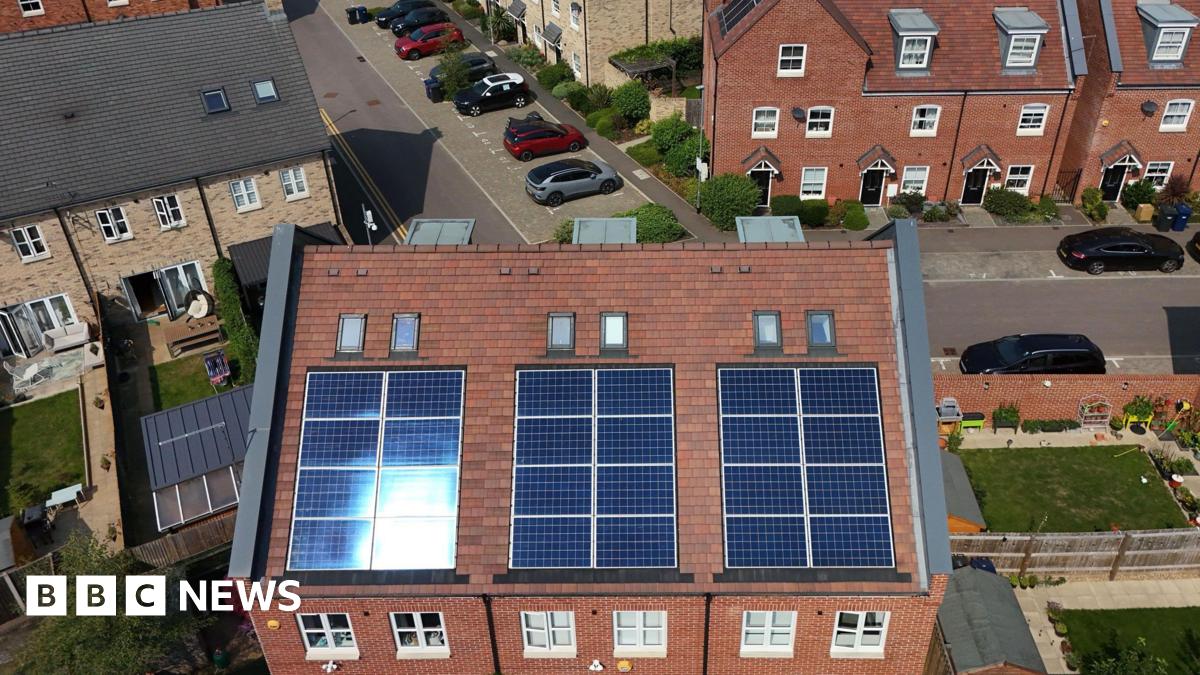
 www.bbc.co.uk
Bythe World Meteorological Organisation. And just to add to the heat this is an El Nino year, it's on the BBC website Climate section, but I'm such a useless techy I can't do links without help.To what analysis do you refer ?
Click on the link, then the three dots at the top left of the article, press copy link then come back here. Above your keyboard, on a mobile, you should see the link on the clipboard,just click it and it should appear on here.Bythe World Meteorological Organisation. And just to add to the heat this is an El Nino year, it's on the BBC website Climate section, but I'm such a useless techy I can't do links without help.
 www.bbc.co.uk

Ffs, I thought we had moved on from fighting on here.OI OI, I visit here to get away from gits like you, offski.
The views expressed in my posts are not necessarily mine.


At least our resident Hull supporter lives a bit closer to the Valley than you !Ffs, I thought we had moved on from fighting on here.
Now we have got two on here that do not even support Charlton

